
Google Ads for plumbers is a set of paid advertising placements on Google Search, Google Maps, and Google’s display properties that plumbing companies buy to generate calls and service requests.
Plumbers choose among three formats: Search ads, Local Services Ads, and Display ads, and each bills and targets differently. Several of these products changed in 2025 and 2026, including how Local Services Ads are managed and how ads appear in AI-generated results.
Key Takeaways
- Three formats: Search ads capture high-intent searches, Local Services Ads use pay-per-lead pricing, and Display/Demand Gen can support remarketing and awareness.
- LSA is changing: Google began moving select U.S. Local Services advertisers into Google Ads as Performance Max campaigns with pay-per-lead goals in August 2026, with additional advertisers migrating through late 2026 and 2027.
- Display is Changing: Google is transitioning Display Ads into Demand Gen campaign management, with the migration expected to finish in 2027.
- Missed calls now cost money: From October 1, 2026, some unanswered business-hours LSA calls are charged as leads.
- AI shapes matching and placement: Eligible ads can appear inside AI Overviews, while AI Max expands Search matching beyond traditional keyword targeting.
- Setup order: Establish conversion tracking first, then configure location targeting, service-focused ad groups, responsive search ads, assets, and negative keywords.
Types of Plumbing Google Ads
Google Ads for plumbers are paid advertisements that appear on one or more of Google’s platforms. Here are the different types:
Search Ads
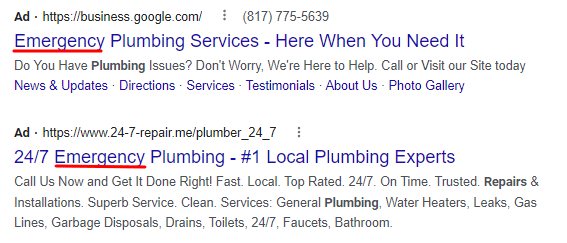
Google Search ads are pay-per-click text ads that appear above and below search results for the keywords a plumber bids on.
The standard format is the responsive search ad, which accepts up to 15 headlines and 4 descriptions that Google combines for each search. Search ads give plumbers substantial control over keywords, ad copy, geographic targeting, schedules, and landing pages.
Local Services Ads (LSA)
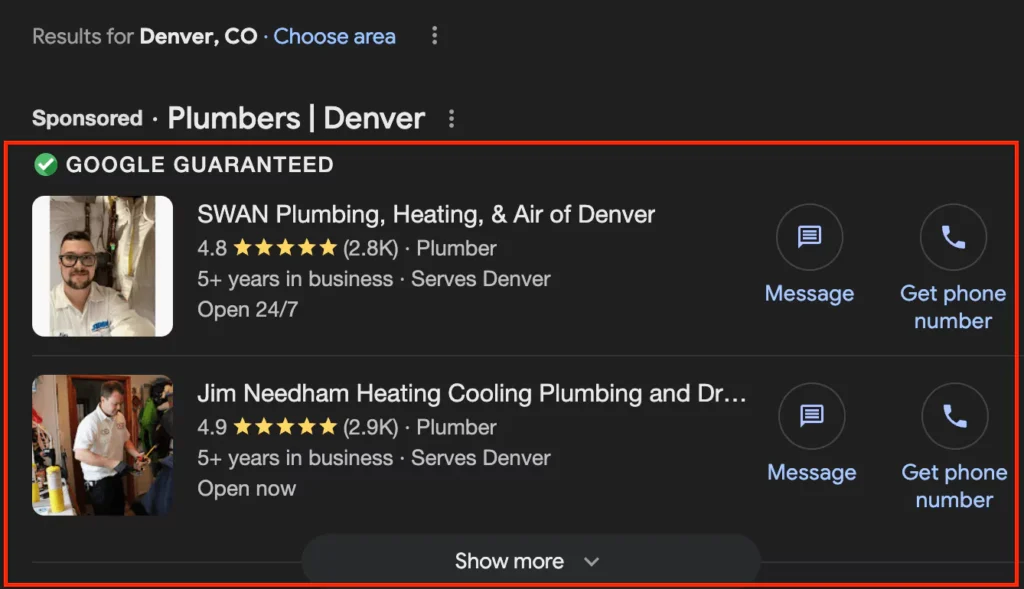
Google’s local services ads (LSA) differ from search ads because they use a pay-per-lead model instead of pay-per-click. Plumbers pay for valid leads, such as phone calls, messages, and bookings, and do not pay for clicks.
LSA ads appear only on Google Search and Google Maps, and campaigns are keywordless: Google matches ads using the plumber’s service categories and service area.
Starting in August 2026, Google began migrating select U.S. Local Services advertisers, including plumbers, into Google Ads as Performance Max campaigns with pay-per-lead goals. The migration will expand to broader advertiser groups later in 2026 and continue into 2027.
Pay-per-lead billing and placements stay the same, while the standalone LSA dashboard, weekly budgets, and manual cost-per-lead bidding are retired.
Google Verified is the LSA trust badge. Google replaced Google Guaranteed with one Verified badge starting on October 20, 2025, which also retired the Money Back Guarantee.
LSA lead cost has no fixed national rate. According to Google, lead prices vary by location, job type, lead type, and bidding mode.
Message leads are typically cheaper than corresponding phone leads, but their price varies based on factors including the service requested and the customer’s likelihood of booking.
Google screens LSA leads before charging and credits low-quality leads afterward. Leads judged invalid at first contact are not charged, and charged leads are reassessed and credited automatically when Google’s models later classify them as low quality (United States and Canada).
Unanswered LSA calls become chargeable on October 1, 2026. Under Google’s updated lead charge policy, missed calls during listed business hours will count as valid leads when the caller stays on the line for more than 20 seconds, subject to certain exceptions.
If an initial call does not qualify as a charged lead, a subsequent call between the business and the same customer can be charged if it meets Google’s valid-lead criteria. Google later clarified that advertisers are charged only once for follow-up interactions with the same user within a 15-day period.
For plumbers who cannot answer during listed hours, call coverage is now a direct cost factor.
Display Ads
Display ads primarily reach people while they browse websites, apps, YouTube, and other eligible inventory rather than targeting traditional Google Search queries.
For plumbers, Display ads are generally better suited to remarketing and awareness than capturing immediate emergency-service demand. When this doesn’t apply: Display is a weak fit for emergency repair demand, because a homeowner with a burst pipe searches and calls.

Search Ads vs. Local Services Ads vs. Display Ads
| Search ads | Local Services Ads | Display ads | |
|---|---|---|---|
| Billing model | Per click | Per valid lead (calls, messages, bookings) | Per click or impression, depending on bid strategy |
| Where ads show | Google Search, plus optional search partners | Google Search and Google Maps only | Display Network sites, apps, Gmail, YouTube |
| Targeting | Keywords, location, ad schedule | Service categories and service area; no keywords | Audiences, topics, placements |
| Trust badge | None | Google Verified (eligible businesses) | None |
| Best use | High-intent service and emergency searches | High-intent local service leads | Remarketing and awareness |
| Main limitation | Requires keyword and negative keyword management | Little control over which searches trigger ads; missed calls can be charged | Low purchase intent |
Local Services Ads and Search ads meet different needs, and you can run both at once. LSA suits a plumber who wants to pay only for customer contacts and can answer calls reliably.
Search ads suit a plumber who needs control over which services, keywords, and hours trigger ads. When this doesn’t apply: a plumber still completing Google’s business verification checks can launch Search ads immediately while LSA onboarding finishes.
How AI Is Changing Google Ads for Plumbers
Google now uses AI to decide which searches an ad matches, which ad text appears, and where ads show. For plumbers, the work shifts from manual keyword control toward supplying accurate conversion data and strong assets.
Ads can appear inside AI Overviews. Google states that ads can show above, below, or within AI Overviews, and that text ads from Search and Performance Max campaigns are eligible to appear within an AI Overview when the query shows commercial intent and the ad is relevant to the overview’s content.
AI Overviews appeared on 39.4% of U.S. desktop Google searches in June 2026, according to Comscore data reported by Search Engine Land.
AI Mode is Google’s next ad surface. At Google Marketing Live in May 2026, Google announced new ad formats built for AI Mode, including Conversational Discovery ads that answer a searcher’s specific question. Plumbers should treat AI Mode ads as an emerging placement to monitor.
AI Max for Search expands Search campaigns beyond the keyword list. AI Max for Search campaigns are a one-click suite of targeting and creative enhancements that Google introduced in May 2025.
It lets Google match ads to queries the keyword list does not cover, so plumbers who enable it should review the search terms report weekly.
Broad match and Smart Bidding are Google’s recommended pairing. Google’s keyword documentation states that Smart Bidding works best with broad match, because wider matching gives the bidding system more data.
Smart Bidding learns faster with sufficient conversion data. Google’s updated guidance says a bid strategy can take about 50 conversions, or three conversion cycles, to calibrate after a change, according to a September 2026 Search Engine Land report.
When this doesn’t apply: a low-budget account producing only a handful of tracked calls per month may take longer to stabilize, so phrase and exact match keywords with close oversight can be a reasonable starting point.
Google is steering advertisers away from legacy Smart campaigns toward newer campaign types such as Performance Max and Demand Gen.
Standard Performance Max campaigns charge per click and serve across Google’s ad networks, including Search, YouTube, Gmail, and the Display Network, according to Google’s Local Services migration documentation.
Google stopped new Smart campaign creation through the API on August 3, 2026, and recommends Performance Max, Search, or Demand Gen instead. When this doesn’t apply: Performance Max gives up most keyword and placement control, so plumbers who need that control should start with Search.
Call-only ads are being retired. Google ended creation of new call-only ads in February 2026 and will stop serving existing call-only ads in February 2027. Responsive search ads with call assets replace them.
Setting Up a Plumbing Google Ads Search Campaign
Build a plumbing Search campaign in this order:
- Set up conversion tracking first, so bidding and reporting have data from day one.
- Choose the Leads objective and the Search campaign type.
- Name the campaign by service and type, such as “Drain Cleaning | Search.”
- Select networks. Keep Google Search on and leave the Display Network off. Search partners extend ads to hundreds of non-Google websites as well as YouTube. Google does not publish a fixed list of every partner, so a budget-limited plumber can start with partners off and test them later.
- Restrict location. Target the service area by radius targeting (drawing a circle around your service area), manual city insertions, or postal codes. Set location options to “Presence” to reach people in or regularly in the targeted area. The default, “Presence or Interest,” also reaches searchers outside the area.
- Add audiences in Observation mode. Google recommends Observation for all Search campaigns, which reports on audience segments without narrowing reach.
- Set an average daily budget. Google Ads calculates budgets as an average daily amount rather than a monthly or weekly total. Start conservatively and increase only after tracked calls confirm results.
- Choose bidding. Conversion-based Smart Bidding needs tracked conversions to optimize toward.
- Add plumbing-relevant assets: call, location, sitelink, callout, and structured snippet assets.
- Build ad groups by service, write responsive search ads, add billing, and launch.
Ad Groups and Final URLs
Plumbing ad groups should be organized by service. An ad group is a set of ads and keywords that share a theme and a landing page, so separate ad groups for clogged drain repair, sewer line repair, hydro jetting, and water heater repair let each ad match its search and send traffic to the matching page. You can add or remove keywords at any point in a campaign.
The final URL is the landing page a click reaches, and a simple display path, such as /drain-cleaning, tells searchers the page matches their problem.
Writing Headlines and Descriptions
Each responsive search ad requires at least 3 headlines and 2 descriptions, per Google’s specifications. Headlines are restricted to 30 characters and descriptions to 90.
Plumbing headlines should name the service, the service area, and a differentiator, such as “24/7 Burst Pipe Repair” or “Licensed Fort Worth Plumbers.” Google shows headlines in any order, so each must make sense on its own.
Plumbing ad descriptions should establish credibility with concrete, checkable details such as years in business, licensing and insurance status, warranties, emergency availability, or other meaningful differentiators.
Keyword Match Types and Negative Keywords
Keyword match types control how closely a search must match a keyword before a plumbing ad can show. Google offers three.
| Match type | Syntax | How it matches | Plumbing example | Best use |
|---|---|---|---|---|
| Broad | sewer line repair | Related searches, including ones without the keyword’s words | Could match “main line backup” | With Smart Bidding and reliable conversion tracking |
| Phrase | “sewer line repair” | Searches that include the keyword’s meaning | Could match “emergency sewer line repair near me” | A balance of reach and control |
| Exact | [sewer line repair] | Searches with the same meaning or intent | Could match “repair sewer line” | High-value services where every click must count |
Broad match is Google’s default match type, so a keyword entered without brackets or quotes runs as broad match. Inserting your keywords in brackets tells Google that the term or phrase is an exact match.
Exact match no longer means only the literal phrase: Google matches exact-match keywords to searches with the same meaning or intent, according to the same keyword documentation.
Negative keywords tell Google not to display your ad for specific terms and phrases. These help you optimize your budget by eliminating ad spend on terms or phrases you know won’t result in new customers. Review them against the search terms report at least monthly.
A starter plumbing negative keyword list covers four intent groups:
- Informational: how to, what causes, tutorial, video, diagram
- Do-it-yourself: diy, yourself, parts, kit, tools
- Job-seeker: jobs, hiring, salary, apprenticeship, plumbing school, license exam
- Navigational: youtube, reddit, and competitor brand names the advertiser intentionally chooses not to target
When this doesn’t apply: some informational searches signal a homeowner close to hiring, such as “how much does sewer line repair cost,” so review cost-related queries before blocking them.
Ad Scheduling for Emergency and After-Hours Calls
Ad scheduling controls the days and hours plumbing ads run, and it should match the hours the phone is actually answered. A plumber who stops answering at 6 p.m. pays for clicks that become unanswered calls.
Emergency plumbers can separate emergency keywords (burst pipe, sewer backup, no hot water) into their own campaign that runs 24/7, while routine services run only during office hours.
For Local Services Ads, listed business hours determine when you can charge for missed calls under the October 2026 change, so those hours should match real phone coverage.
Landing Pages
Every plumbing ad should send clicks to a landing page that matches the service in the ad. Some plumbing companies make the mistake of sending every click to their website homepage, which can lower conversion rates because the page lacks specificity.
Landing page experience affects ad quality and can influence Ad Rank and advertising costs. Google also reports landing page experience as one of the three components of its diagnostic Quality Score, alongside expected CTR and ad relevance.
Strong plumbing landing pages share these traits:
- Copy that repeats the ad’s service and service area
- Fast mobile loading and simple navigation
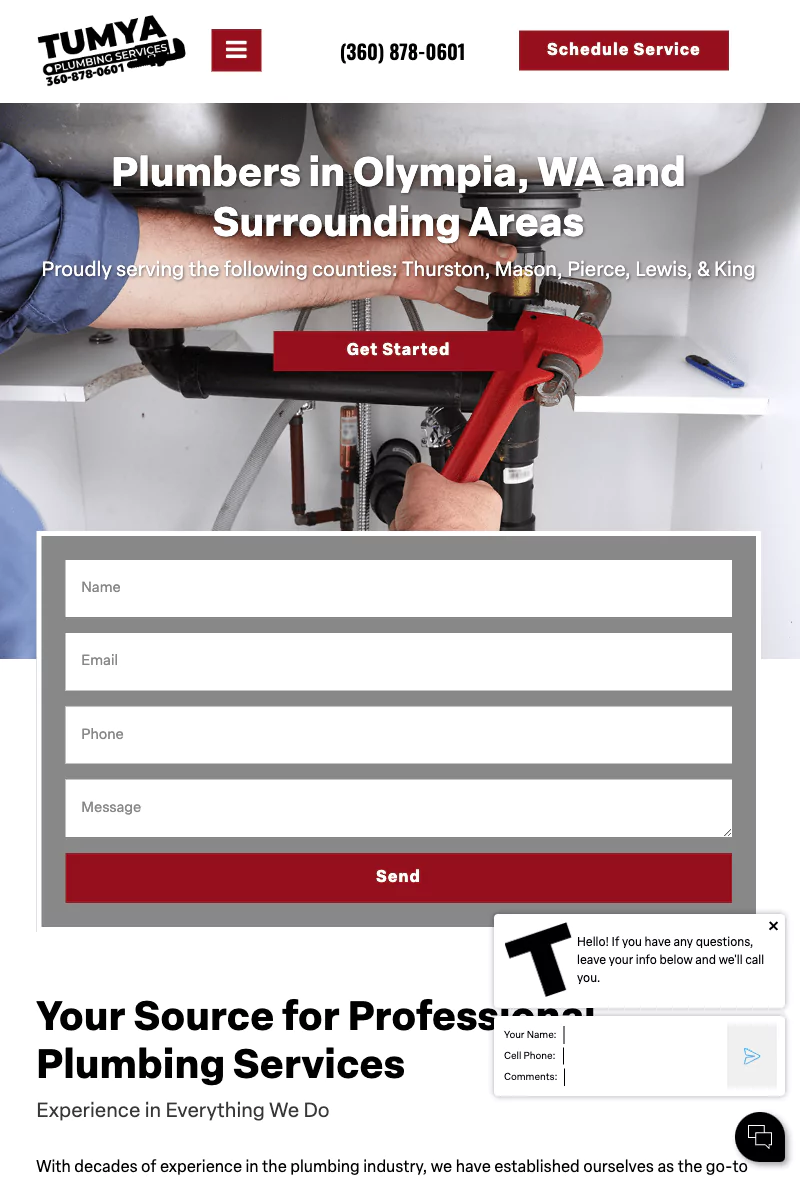
- A click-to-call number and short quote form
- Visible license, insurance, and reviews, plus a privacy policy
Dedicated PPC landing pages prioritize conversions over organic ranking. Dedicated PPC landing pages can use a noindex directive when the business doesn’t want them appearing in organic search or overlapping with its indexable SEO service pages. When this doesn’t apply: a service page that already converts well can take ad traffic directly.
Conversion and Call Tracking
Reliable conversion tracking underpins effective campaign optimization. Phone calls are the primary conversion for plumbers whose customers call rather than fill out forms.
Google tracks calls from ads through a Google forwarding number and a minimum call length: only calls lasting at least that long count as conversions, which filters out wrong numbers and hang-ups.
In the current Google Ads interface, plumbers create conversion actions from the Goals menu, set them as phone calls, and assign a value. A single value per conversion is the simplest starting point.
After launch, monitor click-through rate (CTR), cost per click (CPC), conversions, and cost per conversion, and compare Google Ads plumbing leads against other channels using one definition of a qualified lead.
Ad Assets and Ad Rank
Ad assets, formerly called ad extensions, add phone numbers, links, locations, and service details to a Search ad. Assets affect an ad’s Ad Rank rather than its Quality Score.
Google lists the expected impact of assets and ad formats as an Ad Rank factor, while Quality Score is based on expected click-through rate, ad relevance, and landing page experience.
Call assets matter most for plumbers after the call-only ad retirement, because a call asset is now how a Search ad displays a tappable phone number.
A/B Testing Ad Copy
A controlled A/B test isolates one major variable whenever possible. Plumbers often make the mistake of testing two entirely different ads with unique copy, offers, landing pages, and CTAs, making it hard to know which change drove the result.
Testing one major element, such as the landing page or offer, produces a more interpretable result.
Troubleshooting a Plumbing Google Ads Campaign
The table below maps common plumbing campaign symptoms to their likely causes and where to check.
| Symptom | Likely cause | Where to check |
|---|---|---|
| Clicks but no calls | Landing page mismatch, no visible phone number, or call tracking not firing | Landing page on mobile; conversion action status |
| High spend, no conversions | Broad match or AI Max matching irrelevant searches | Search terms report; negative keyword list |
| Leads from outside the service area | Location option set to “Presence or Interest” | Campaign location options |
| Performance swings after a change | Smart Bidding recalibrating | Bid strategy status (“Learning”) |
| LSA charges for poor-quality leads | Spam or out-of-scope requests | LSA leads page; lead feedback; automatic credits |
| LSA charges for unanswered calls | Missed business-hours calls over 20 seconds, from October 1, 2026 | Listed business hours vs. actual phone coverage |
| Ads not showing | Budget exhausted, low Ad Rank, or disapproved ads | Campaign status; ad policy status |
When Google Ads Fits and When It Doesn’t
Google Ads fits plumbing companies that need calls now and can measure what those calls produce. Paid traffic starts once a campaign is approved, while organic rankings take months to build.
Google Ads is a strong fit when:
- A new company or new website has no organic visibility yet
- Seasonal or weather-driven demand, such as frozen pipes, spikes suddenly
- Established competitors hold the top organic and map positions in the market
Google Ads is a poor fit when:
- No one reliably answers the phone during advertised hours
- Calls and form submissions are not tracked
- The available budget is too small to generate a meaningful number of qualified clicks or leads
Google Ads and SEO are complementary channels rather than competing ones.
In practitioner experience with plumbing accounts, paid search can benefit from a well-optimized website and Google Business Profile, because the same pages, reviews, and business details support both.
Google increasingly integrates Local Services campaign data with verified Google Business Profiles, including business identity and location information.
Final Thoughts on Google Ads for Plumbers
Google Ads remains a direct way for plumbing companies to generate calls, but automation has made accurate conversion data, campaign inputs, and call handling more important than ever.
Choosing the right format, restricting location, tracking every call, and staffing the phone during advertised hours are the factors plumbers control most directly.
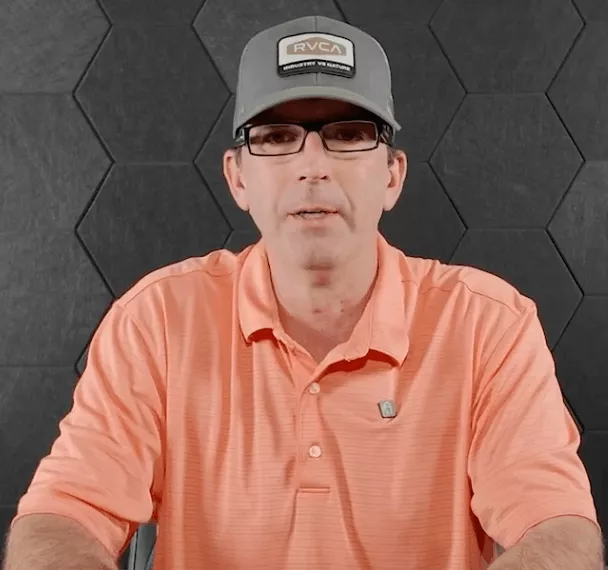
Author: Nolen Walker
Nolen Walker is the founder of Plumbing Webmasters and the creator of DataPins™, a Local SEO platform for plumbing companies. He has over 16 years of experience helping plumbing businesses grow through organic search, Google Maps, and AI-driven visibility.
Nolen is the author of A Complete SEO Guide for the Plumbing Small Business Owner. He also hosts The Plumbing SEO Podcast on Spotify.