Author Archives: Plumbing Webmasters

  • expertise.com best seo agencies in fort worth
  • plumbing heating and air alliance member
  • contractors of america best digital agency

The (Ultimate) Google Search Console Guide for Plumbers


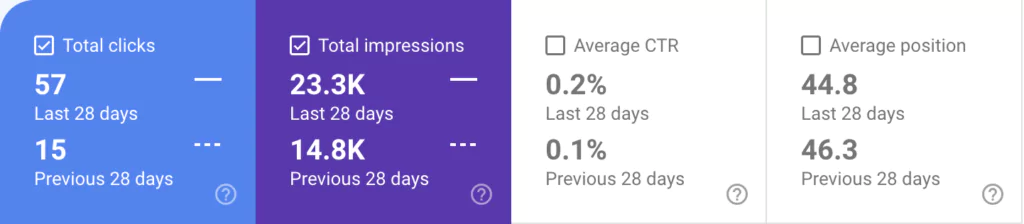
Google Search Console is a valuable free tool for plumbers that allows you to monitor your clicks from Google Search, the queries users use to find your website, and various technical SEO reports.

Plumbers should familiarize themselves with GSC as much as possible, as it will help them fix serious problems that may keep your site or pages from being indexed.

In the following post, HVAC-Plumber SEO Webmasters will guide you through the Google Search Console and provide you with a guide to help you utilize it to benefit your plumbing website. 


Google Search Console for Plumbers (Guide Cover)

What is the Google Search Console?

The Google Search Console is a tool provided by Google to help your site optimize visibility on its platform. Google must approve every page on every website before it can be indexed (or displayed) on Google. 

The Google Search Console allows your website to be indexed on relevant SERPs or Search Engine Results Pages. It also enables you to increase visibility and provides you with analytical data on your website. 

It can be a valuable tool when climbing the rankings with a handful of primary keywords. The problem may be technical or related to Google’s Terms of Service.


The Google Search Console will help you sort out the situation and provide information to improve your SEO.

One or more of your plumbing website pages may not be getting indexed at all. The Google Search Console will help you figure out why.

Of course, you must know how to use it, so we have compiled this helpful Google Search Console guide.


Plumber Search Console Graph (Screenshot)

Setting up Your Website

First, you must register your site on the Google Search Console.

The setup process is self-explanatory and intuitive, even if you have never done it before.

The setup wizard will walk you through each step and help you answer any questions. Here are a few things you can expect, though:


Verification Process 

Once you enter your URL in the appropriate field, you must verify your website.

You can do this by uploading a piece of HTML code to your website’s homepage code, an HTML file, or adding a unique name.


Targeting Process 


Google will need to know which geographical area your site will be targeting. To set your target country:


  1. 1) Navigate to the “International Targeting” tab under the Search Traffic menu.
  2. 2) Click the “Country” tab.
  3. 3) Click the “Target Users In” box that appears, then select your target country from the drop-down menu provided. 

The basic setup process is only the beginning of our Google Search Console guide. In the following section, you will learn how to troubleshoot the most common problems in the Google Search Console, so read on. 


Resolving Issues

Resolving some issues in the Google Search Console is pretty intuitive. For example, to fix security issues, click “Security Issues,” and the console will let you know if any security issues need addressing.

If so, they are good about walking you through how to resolve them. Some other problems, though, need a bit more explanation.


Search Console Technical Report (Screenshot)

Index Coverage Report Problems

The index coverage report in the Google Search Console allows you to see which, if any, of your pages aren’t being indexed.

Go to the Index Coverage section to see if anything appears in the “Error” tab. If there are, scroll down to see what they are.

They could be server errors (your server crashing or out of commission), redirect errors, or 404 errors. Web admins can resolve 404 errors by entering the URL into the Inspection field.


Most error messages in the Index Coverage Report can be analyzed and resolved by entering the URL in the inspection field. 


Excluded Pages

Sometimes, your pages aren’t being indexed because they have accidentally been added to the “Excluded” page list in the Google Search Console.

Click the “Excluded” tab on the Index Recovery Report page to check.

You will see a list of pages with a general explanation of why they have been excluded. It could be because the page is duplicate or redirects to another site.


You must address these problems by making your content more unique or fixing technical issues. 


Using Google Search Console to Your Advantage

Now that some of the basics are out of the way, let’s explore a few ways to use the Google Search Console to improve the performance of your plumbing website


Low Performing Keywords

You can use the new Performance report in the Google Search Console to identify underperforming keywords.

The “Pages” tab allows you to see all the pages on your site ranking for these low-performing keywords. 


Check Back in 10 Days

Once you have changed the content to improve the keyword performance, check back with the Performance Report to see if your changes improved your ranking for that keyword or if it hurt it. 


Find New Keywords

The new performance report makes it easy to get new ideas for keywords that you are underutilizing.

Set the filter to “Last 28 days,” set the filter to “Greater than 7.9,” and sort by impressions.

You will be greeted with a list of keywords for which you are currently ranking 8th or higher.


These keywords are an opportunity to bolster your keyword list and increase traffic. 


Fixing Internal Links

Not everyone gets internal linking right, but the new Google Search Console makes it easier to improve your internal links for a smooth user experience.

To get started, click the “Links” option in the sidebar.

You will see a list of pages on your website along with the number of internal links linking to them.


This tool helps if you want to promote a specific page on your site because it allows you to see if you have weak internal linking for particular pages on your site. 


Final Thoughts on Google Search Console

While third-party tools like SEMRush and Ahrefs are powerful and informative, they cannot match the accuracy of Google’s own SEO tool, Google Search Console.

It’s better to collect information directly from the source (Google) than to rely on third-party data.

In addition, Google Search Console is free. It requires plumbers to set up the tracking code on their website, but the process is simple and allows plumbers to monitor their Google clicks and technical issues from that point forward.


Every plumbing website should set up Google Search Console to track website performance on Google search and discover new opportunities to attract search engine users.


Posted: | Updated: Dec 2, 2024 | Categories: Uncategorized
  • expertise.com best seo agencies in fort worth
  • plumbing heating and air alliance member
  • contractors of america best digital agency

The (2025) Guide to SEO Competitor Analysis for Plumbers


SEO competitor analysis for plumbers is one of the fastest ways to identify marketing opportunities.

Through competitor research, plumbing companies can discover overlooked opportunities for keywords, links, and conversions.

Make no mistake: the most successful companies are taking cues from their direct competitors to increase sales. 


Keeping a close eye on your competition can help you emulate their success, find opportunities in their SEO strategy, and exploit their weaknesses.

In the following post, HVAC-Plumber SEO Webmasters will discuss SEO competitor analysis, why it is essential, and how to use it to your advantage.


SEO Competitor Analysis for Plumbers (Blog Cover)

Key Takeaway

Using tools like SEMRush, plumbers can reverse engineer the best qualities of their competitors’ websites.


Perspective on SEO Competitor Analysis 

Focusing solely on your own plumbing website’s keywords, content, and backlinks can cause tunnel vision, resulting in missed opportunities for plumbing leads.

When restricting analysis to your own keywords and rankings, you lose objectivity.

Soon, all that exists is your plumbing website and your unchallenged beliefs about its effectiveness.


The key to dominating your market through plumbing marketing and SEO is to understand what your competitors are doing and why they are doing it.


SEO competitor analysis provides a fresh perspective that allows plumbers to identify areas for improvement and close the gap between keywords and website authority.

Competitor analysis for plumbers allows you to look at the market as a whole and see where you stand instead of where you think you stand. 

Analyzing competitors’ SEO campaigns is essential, even if you currently rank well for target keywords, as it can help you stave off new local companies vying for those positions.


Identifying Competitor Strategies

Identifying your competitors is the basis for analyzing them. For example, choose the top three to six plumbing websites targeting your general service area.

Using a tool like SEMRush, Ahrefs, or Moz, search for your primary keyword [plumber (city,st)] and find the top 3 positions in Google’s Map 3-Pack and traditional organic results.

Some of these companies may overlap (meaning they rank in the map 3-pack and organic), while others may only rank in one of these areas.


Once you find your main competitors, you can analyze their entire websites using SEMRush, Ahrefs, or Moz.

You can also directly compare your keyword rankings to theirs to see who is ranking higher for specific terms or whether they are ranking for terms you are not.

Identifying keywords your website is not ranking for (but competitors are) is known as keyword gap analysis, a subtopic of competitor analysis.


For example, the plumbing company ranking #1 on organic search results for [plumber] may also rank for subcategories like [slab leak repair], [hydrojetting], and [burst pipe repair].


Analyzing the Competition

Any effective competitor research will require a keyword research tool such as Moz, SEMrush, or Ahrefs.

Each platform helps identify various components of a website’s SEO campaign, including ranking keywords, estimated website traffic, and backlink profile.

Once you have all your analysis tools fired up, check for the following:


MOZ Competition Analysis (Screenshot)

Source: MOZ Keyword Explorer


Missing Keywords

Most tools will allow you to see your competitor’s ranking keywords and compare them to yours.

The comparison reveals if you have any keyword gaps or keywords that you have omitted but could still earn you traffic. It may also inform what new pages or content you must add to your site. 


Backlink Profile

Backlinks are the number one driver of website authority, often measured by third-party metrics such as Domain Authority (DA), Domain Rating (DR), and Authority Score.

You can compare your website’s metrics to those of your competitors and identify which domains link to competitor websites.

You may find domains from highly relevant sources (like plumbing suppliers or chambers of commerce) that would also be willing to link to your website.


While closing the backlink gap between your site and your competitors is almost always a positive development, it’s essential to understand that these metrics are merely estimates and are not used by Google for rankings.

However, Google likely has an internal scoring mechanism similar to the ones utilized by these third-party tools.

As a result, follow the best link building practices for plumbing websites based on your competitor analysis findings.


Page Traffic

Examining which pages on your competitor’s site are the most popular is also essential, as these often accumulate the most backlinks.

Some popular pages rank for more than one keyword, which indicates that the page satisfies a broader user intent such as [plumbing services].

Comparing these pages to yours can help you understand which subtopics you might have overlooked and how you can better meet the user intent of the primary term.


Consumer Opinion

Asking your customers and site visitors for feedback is another way to accumulate research data for competitor analysis.

If you have an email subscriber list, send out a questionnaire about your site’s user experience.

Feedback can provide valuable consumer insight into your website’s strengths and weaknesses. 


Long-Tail Discrepancies

Even if it seems like your competitor lacks weaknesses, they likely have some vulnerabilities related to long-tail keywords.

Plumbing websites that rank well for primary terms like [plumber] and [plumbing company] might rest on their laurels for long-tail terms that drive traffic on the margins.

The keyword research tools will not pick up all long-tail keywords, but Moz Keyword Explorer is the best at tracking them.


Content Quality

It is also essential to compare your competitors’ sites’ written and video content to your own. 

Google will penalize you for low-quality content, so you may be ranking lower for specific keywords purely because of content.

Mass-producing low-quality blog posts can weaken your site-wide signals, negatively affecting service pages and your homepage.


Navigability

Sometimes, technical issues may hamper your rankings, so studying the user experience of your competitor’s websites can also provide valuable insight.

Navigate your top competitor’s sites through the eyes of a potential customer and then compare that experience to your own website.

Do they have any dead links? Is their site easy to navigate? Does every page link to another? Now, does yours?


Answering these questions can lead to quick wins in improving your website’s user experience and conversion rates.


Final Thoughts on Competitor Analysis

Monitoring competitor websites for new opportunities is part of digital marketing.

While creating original content with unique insights is always great, analyzing competitors’ sites can provide a roadmap to dominating your local search results.

While keywords and content topics are the most obvious things to analyze on a competitor’s website, evaluating their site’s user experience and design is also helpful.


While you won’t use everything you consume from other websites, they will help you maximize the value of your own company’s website.


Posted: | Updated: Jan 8, 2025 | Categories: Uncategorized
  • expertise.com best seo agencies in fort worth
  • plumbing heating and air alliance member
  • contractors of america best digital agency

Schema Markup Guide for Plumbers

Schema Markup for Plumbers

[ez-toc]

What is Schema Markup for Plumbing Websites?

Schema markup refers to semantic code that plumbers can place on their websites to better communicate with search engines and provide more relevant results for users. Implementing schema markup can help plumbing websites generate enhanced SERP features, such as rich snippets, on search results.

Nolen Walker, Owner of Plumbing Webmasters

Expert Analysis from Nolen Walker

At Plumbing Webmasters, we were an early adopter of schema markup for client websites, and we’ve seen the positive results it can have first-hand.

Why Plumbers Need Schema Markup

Position zero refers to the top website indexed on search engine results pages. Position zero is where you want to be if you own a plumbing business (or any business, for that matter). In digital marketing, it is the most coveted piece of online real estate. 

For the past few years, marketers have concluded that schema markup is significantly practical for earning position zero. The numbers don’t lie.

At least one study has demonstrated that websites with schema markup rank better by four positions on search engine results pages on average than websites that don’t utilize schema markup. 

While digital marketing experts agree that the increase in ranking isn’t solely due to schema markup, it’s clear that it certainly helps. Schema markup has become a high priority in SEO (search engine optimization)

The bottom line is that if you are a plumber looking to move up in your local rankings, schema markup should be part of your strategy. In the following article, we will be giving all of you plumbers a crash course in schema markup.

What Does Schema Markup Convey?

So, what type of information can schema markup provide online searchers? Pretty much anything. Schema markup is especially helpful for plumbers because, in it, you can make sure that people can see things like

  • The areas you service
  • Your hours of operation
  • The types of services you offer
  • A map showing where you are located
  • A list of the pages on your website
  • Your star ranking on review websites
  • Current promotions you’re running

Schema markup is all about conveying the information that people are looking for more quickly and prominently than other search results to increase the likelihood of clicking on your site. 

How to Get Started with Schema Markup

Google provides a structured data testing tool to help developers make sure that the schema code can be displayed on their site. So this is the first thing you should do once you get your schema code. Here is a breakdown of the steps you will need to take to get your code:

  • Go to the schema.org website and look up the kinds of code you want to implement. We have already covered the types of data you can convey with schema, so it’s really up to you what you want to have displayed. 
  • Implement the code on the various pages of your website
  • Test your new schema code using Google’s structured data testing tool
  • Run a test by simply searching for your plumbing website on Google and seeing if the schema markup shows up

Schema Coding

Once you have your various schema codes, they can be implemented directly onto a WordPress website page and other formats. But you are responsible for filling in the parent data. In many cases, your schema code will start with this:

<span

Then the specifics of the data you want to be displayed go after that in the code. The specific data could be your company name, location, a link to a map, or an image. That part is up to you. It depends on what you want the structured data to display. 

It’s important to note that you will have to implement this code and its variations for every piece of schema markup you want to display. If you are a busy plumbing contractor, you may not have a lot of time to do that. Y

ou may need to work with a developer or a marketing team to help you develop your schema code, implement it and design your plumbing website around it. It’s also important to note three basic schema markup formats: JSON-LD, standard schema microdata, and RDFa. 

RDFa will work for most of the types of schema markups you want to use and most websites. JSON-LD uses JavaScript and tends to be less complicated to implement than standard schema microdata. Standard schema microdata is HTML-based, and it is the most common format.

It’s also the easiest to learn how to use. So if you are handling your schema markup yourself, we would recommend starting with standard schema microdata. 

Common Schema Problems

If your schema markup isn’t displaying properly, some likely suspects should check first. Some of the most common schema markup problems include:

Copy/Paste Rendering

If you are using Microsoft Word or Excel to copy your schema code, the rendering may cause problems. It’s best to use the Notepad application when copying/pasting your schema code. 

Google Violations

In some cases, Google may not display your markup because it violates Google guidelines. Just like everything else, Google has strict rules for what it showcases on its SERPs.

Errors in Syntax

Schema code is particular. An errant semicolon or quotation mark can mess up the entire snippet. Go through the code carefully and make sure everything is in the right place. 

Final Thoughts

Schema helps plumbers stand out in search results and generate new customers online. Whether you utilize schema to communicate business information to search engines or to achieve SERP features on search results, the benefits are clear.

If you require assistance implementing the right schema into your plumbing company website, feel free to reach out. At Plumbing Webmasters, we’ve been proponents of schema since its original release and have developed systems and processes to integrate it into all of our client’s websites.

Posted: | Updated: Jun 28, 2023 | Categories: Web Design
  • expertise.com best seo agencies in fort worth
  • plumbing heating and air alliance member
  • contractors of america best digital agency

6 KPIs for Plumbers (Key Performance Indicators) in 2025


What Are Plumber KPIs?

A KPI for plumbers, or Key Performance Indicator, is a measurable figure showcasing how effectively or ineffectively your business reaches its target goals. 


KPIs for Plumbers (Blog Cover)

Best Key Performance Indicators for Plumbing Companies

It isn’t enough to offer the best plumbing services possible. It should be enough, and it would be in a perfect world.

However, in the real world, plumbing business success requires professional plumbing services and tracking your performance in real time.

Keeping track of KPIs (Key Performance Indicators) is pretty much a part-time job. It’s essential, though, if you want to make sure your business is making a profit.


To help all the plumbers out there start to get a handle on what KPIs they should be tracking in 2025, HVAC-Plumber SEO Webmasters put together the following list. 


1) Seasonal Revenue

Plumbing can be a very seasonal business – primarily if you service a part of the country that sees freezing temperatures.

So, it’s essential to track your sales revenue by season.

This will help you determine when the lulls are coming and when you are busier.


When you have identified your slow and peak season, you can begin to strategize to smooth the peaks and valleys out a bit. 

For example, if you notice that you get fewer service calls in the summer, you should start looking into ways you and your employees can upsell customers.

Things like making people aware of how long their appliances likely have before they give out can help balance your slow season.


Remember that most people are looking to save money on their water, heating, and electricity bills.

Selling customers on plumbing upgrades could be another way to increase sales revenue during your slow season. 

When calculating your seasonal or annual sales revenue, remember that this figure only refers to the money coming in from customers paying for the services or products you make available to them.


Seasonal revenue doesn’t refer to adjusted income after you’ve paid your employees, paid for your supplies, and operating costs. 


2) Business Growth

Another critical KPI for plumbers is business growth.

This can be calculated in many ways, but the most effective is determining your yearly gross margins.

This is where you start to throw things like cost of operation and salaries into the equation.


To find your gross margins, subtract your total cost of operations (supply costs, fuel costs, etc.) from your total sales revenue and divide that figure by sales revenue again. 

The final figure is your gross margin for that year.

It’s essential to keep good records of your annual gross margins so that you can compare them year by year.


You can convert the figures into percentages to see how much your business has grown or shrunk by percentage.


Here’s a little bonus tip: when calculating your gross margins, be careful not to include supplies you have paid for but haven’t used yet in your cost of operation figure.


Many plumbers make this mistake, which messes with their books. 


3) Fixed Costs

Fixed costs are worth mentioning in detail because they can help make your business more profitable.

You need to get a clear and complete picture of your fixed business costs if you want to break down your bottom line every month (and yes, that is certainly something you should be doing).

Fixed business costs refer to anything you pay for every month.


This can include the rent you pay for your office/shop/headquarters, employee salaries, insurance, or any money you pay for advertising/marketing. 

In general, a fixed monthly cost is also one that doesn’t change from month to month.

Knowing how much you have to spend every month will go a long way toward pinning down a monthly profit margin, which is another crucial KPI for plumbers.  


4) Variable Costs

The other side of monthly profit margins is variable business costs.

For a plumbing business, variable business costs are likely to include fuel for your service vehicles, repairs to your fleet, or any maintenance needed at your office/headquarters.

In general, variable costs are affected by your production output.


For example, if you are getting an unusually high volume of service calls, you can expect to pay an exceptionally high amount for fuel. 

For plumbing contractors, variable business costs can also include the cost of supplies.

When calculating your monthly variable costs, don’t forget any increases or decreases in price for the materials you use. 


Once you have your variable and fixed business costs, you can accurately calculate your monthly profit margin.

Remember to keep neat, organized monthly records so you can see a more detailed picture of how much your businesses are netting. 


5) Performance Metrics

The time it takes for you and your employees to render services, the rate at which you sell certain plumbing services, and how much you are paid for each service call on average are all service performance metrics.

Tracking your service performance metrics can help you determine how much revenue each lead is providing. 

It’s a refined approach to bookkeeping and is an important KPI for plumbers.


You can calculate how much each lead is providing by adding up the total amount paid per lead in a given amount of time (monthly works well) and then dividing that revenue figure by the total amount of plumbing leads.

You may have to tweak your service performance if you don’t have a healthy revenue amount per lead. 

This could mean investing in training for your employees so they can learn to upsell more services and products.


It could also mean promoting one or more of your services more aggressively.

Even finding better routes to service sites may be enough to fatten up your revenue per lead figure. 


6) Customer Satisfaction

Last but not least, customer satisfaction.

Did you know that it costs way less to keep an existing customer than to drum up a new one?

Customer satisfaction is an important KPI for plumbers: customer satisfaction tends to translate to customer retention. 


You can gauge customer satisfaction by creating a questionnaire regarding your services and asking your customer to fill it out.

Keeping an eye on your online reviews is also very important.

You can quickly increase customer satisfaction by responding to your business’s negative and positive online reviews.


Customers are more likely to be loyal if they feel that their experience with your business is essential to you. 


Next Steps for Plumbers

Properly measuring KPIs allows plumbing businesses to regularly take the pulse of their company.

Troubling KPI metrics should prompt changes in your business model and operations, along with promotion.

At Plumbing Webmasters, we can help improve your key performance indicators with digital marketing.


Feel free to reach out to our team today.


Posted: | Updated: Dec 31, 2024 | Categories: Business
  • expertise.com best seo agencies in fort worth
  • plumbing heating and air alliance member
  • contractors of america best digital agency

The Link Building Guide for Plumbing Companies


What is Link Building for Plumbers?

Link building for plumbers is the process of acquiring inbound links from external domains to your plumbing business website.

Local sponsorships, email outreach, and content promotion are common techniques plumbing companies use to secure new link opportunities.


Link Building Guide for Plumbers

Why is Link Building Important for Plumbers?

Link building is significant because it helps increase your site’s visibility, establishes you as an authority, and significantly improves plumbing SEO. 

In fact, external links are among the top two criteria used in Google’s indexing algorithm.

Google uses the amount and the quality of your backlinks to help determine whether to index your page.


A strong backlink profile can differentiate between gaining new customers for your plumbing business and losing out to the competition.

Remember, it’s all about increasing visibility and brand awareness.

But you have to do it right.


First, you need to know how to find backlink opportunities.

Second, you have to be able to discern between high-quality and low-quality links.


Link Building Strategies for Plumbers

There are various ways to go about link building, some more effective (and safe) than others.

Remember that black-hat link-building techniques can result in a manual penalty, removing your entire website from Google’s index.

It’s best to focus on white-hat link-building strategies for your business website to avoid this worst-case scenario.


Below are the most effective ways to get more links for your plumbing website.


Plumbing Link Metrics Majestic

Claim Directory / Social Media Listings

The easiest way to get more backlinks is to build free citations from local business directories.

Popular online directories like Google Business Profile allow plumbers to link from their profile to the company website, creating a nofollow backlink


Social media is the second most accessible source for external links.

Ensure your business is listed on Facebook, Instagram, YouTube, and even TikTok, and post content regularly.


Create Linkable Assets

Creating a unique and original content asset can organically drive new links to your website.

Generally speaking, blog posts harm plumbing websites because they typically regurgitate information already readily available on the web.

However, a location-specific, data-driven post like “The Average Cost of Water Bills in Fort Worth, TX,” is something that credible websites would link to.


The essential component of a linkable asset is expertise.

If you can provide insights distinguishable from “bloggers,” your post will naturally acquire more links.


Fix Broken Links

You may already have a few external links that have become altered by the hosting website and broken, resulting in that annoying “404 Error” message.

Another way to get more links is to fix the ones you already have.

You can check all the links in your backlink profile with free tools like deadlink checker.


Then, if you discover that your backlinks have been broken, you can contact the webmaster of the hosting page and let them know that it isn’t working.

No one wants any broken links on their website, so you would actually be doing other people a favor by letting them know about a broken link. 


Industry Outreach

If you are a plumber, chances are you already know of authoritative organizations that could provide you with a high-quality backlink.

It’s just a matter of asking.

Think about the companies that supply you with your materials, tools, and replacement parts.


This strategy may be especially effective if you are an exclusive or certified seller of certain parts or appliances.

Reach out to organizations in the plumbing industry and ask them to include a link to your site on their websites.

If you work with local suppliers, you can offer a link exchange in which you feature a link for them on your site in exchange for a backlink to yours on their site. 


Guest Blogging

Guest blogging can effectively increase your backlink profile if you are already a content-generating machine or have someone on your staff who handles outreach.

Reach out to other bloggers in the home service industry.

There aren’t many high-profile plumbing-specific blogs online, so it’s best to keep it general and stick to the home service, home improvement, general contracting, renovation, or construction niches.


Offer a guest blog on their site in exchange for your backlink.

This is not only a great way to build up your backlink profile, but it will also increase your authority in the industry and online. 


Competitor Backlink Analysis / Comparison

You can also find more backlink opportunities by seeing where your competition gets backlinks.

You can use link analysis tools like Majestic to see where your competition’s backlinks are coming from.

This will give you an idea of the types of backlink opportunities available for your plumbing business.


Pro Tip: Contact these sites and promote your best content assets to add value to their pages or posts.


Backlink Quality for Plumbing Websites

Link building is more about quality than quantity.

For example, the impact of one high-quality link is far greater than 100 low-quality links.

Several factors determine a link’s quality and impact on your ranking, but generally, a high-quality backlink comes from a trusted, credible, and relevant domain.


Viewership and established authority/reputation are significant factors as well.

For example, a backlink embedded in the Los Angeles Times website would be much higher quality than one included on your cousin’s blog (unless your cousin happens to be a celebrity).

However, other factors determine whether a backlink is a high-quality endorsement or not.


These include:


Relevance

The more closely the website linking back to your site is related to your field (plumbing), the higher the relevance.

And higher relevance equals higher backlink quality.

For example, as a plumber, having a backlink on a general contractor’s website would benefit your business more than having a backlink on a reptile enthusiast’s website. 


Anchor Text 

The clickable text that brings you to another page or website is called “anchor text.”

Google’s algorithm has always considered anchor text a ranking factor.

Anchor text also influences quality, meaning bad anchor text from a good domain will decrease the potential value of the backlink.


Ideally, the anchor text should describe what the viewer will see or experience if they click the link.

An example of good anchor text for a plumber would be “How to fix a leak” if the link leads the viewer to one of your pages about leak repair.

An example of poor anchor text (which more often than not produces a low-quality backlink) would be “click here”—as in “to learn more about fixing a link, click here,” with the words “click here” being the actual anchor text. 


Anchor Text Examples

Link Positioning 

Where your backlink appears on a host’s page is also vital to its quality.

Ideally, your link should appear in the content block, not the footer or the sidebar.

That’s because people spend more time reading the actual content block.


Also, it would be optimal if your link appeared early in the content block instead of near the end.

Not all web pages get read to the very bottom, so having your backlink placed early in the content will increase its click-through rate. 


Types of Plumbing Backlinks

Google and other search engines distinguish link types by how they are placed.

For example, a link that anyone can build does not have the same influence as a link that can only be built by a website editor.

Similarly, an internal link creates a different dynamic than one coming from an external, 3rd party website.


Let’s examine the different plumbing link types below:


NoFollow Links

NoFollow links are those from directories, social media platforms, and any profile-based URL entry.

Since users can manually input URLs into these profiles, Google views them as less impactful.

While NoFollow links don’t influence ranking as much as other link types, they serve as a hint for search engines.


Research also suggests that local directory links can improve local SEO rankings on Google Search and Google Maps.


DoFollow Links

DoFollow links require editorial placement from a third party.

For example, a local contractor in a different industry might recommend your plumbing company on their own website.

Google values these types of links higher because they require a voluntary endorsement from the person placing the link.


Of course, many marketing gurus try to take advantage of this by practicing black-hat link-building designed to emulate the insertion of a natural DoFollow link.

The easiest way to earn white-hat DoFollow links is to create great content.


Internal Links

An internal link exists on your own website, linking one page to another.

Effective link building is about intelligent internal linking as well.

When your plumbing website is easily navigated, all pages are accessible, and you can find helpful ways to link to commercial pages on your website, Google will notice.


Comprehensive internal linking also enhances the user experience of your website.

Relevant blog posts should include internal links to your service pages.

For example, if you have a post about water heaters, you could include an internal link to your water heater installation/repair page. 


Link Building Strategies to Avoid for Plumbing Companies

Because links are a controversial topic within digital marketing, everyone has a different opinion about which strategies are most appropriate.

One thing is certain: using the wrong link-building techniques can result in a manual penalty from Google.

While you may feel the urgency to listen to the latest YouTube influencer about link building, it is better to avoid the following strategies:


Buying Backlinks

Google’s guidelines strictly prohibit buying links for ranking purposes.


Their document states the following:


  • Buying or selling links for ranking purposes. This includes:
    • Exchanging money for links, or posts that contain links
    • Exchanging goods or services for links
    • Sending someone a product in exchange for them writing about it and including a link
Spam policies for Google web search

Link Disavow

As stated by multiple Google employees, Google’s link disavow tool is obsolete.

If a competitor sends spam links to your website to reduce your rankings, Google’s algorithms will simply ignore these links rather than levy a penalty on your website.

If you choose to disavow links or pay an agency to do so, you are more likely to lose rankings than gain them.


Private Blog Networks (PBNs)

One black-hat link building strategy widely utilized in the digital marketing industry is private blog networks, or PBNs.

PBNs are a portfolio of several websites and domains controlled by a single webmaster to distribute link equity to their “money site.”

While PBNs have proven to improve rankings in the short term, their long-term implications frequently result in a manual Google penalty and a complete deindexation of your website.


Final Thoughts on Link Building for Plumbers

Link building for plumbers is an important component of your digital marketing strategy.

However, it’s important to focus on white-hat link building strategies that increase your rankings safely and sustainably.

Examples of white hat link building techniques include industry outreach, content marketing, and brand promotion.


If the entire backlink process seems complex and overwhelming to your plumbing company, contact Plumbing Webmasters to learn about our link building services.

Our agency has worked with thousands of plumbers for over a decade on long-term link acquisition strategies.

Link building for plumbers doesn’t have to be stressful when you consult with experienced professionals.


Posted: | Updated: Jun 24, 2025 | Categories: Link Building
  • expertise.com best seo agencies in fort worth
  • plumbing heating and air alliance member
  • contractors of america best digital agency

Google Reviews for Plumbers (Ultimate Guide)


Google reviews for plumbers contribute to visibility and conversions within the digital marketing ecosystem.

Plumbing companies with hundreds or thousands of Google reviews are more likely to rank in Google’s Map 3-Pack for local search queries and convert users into leads and customers.

With this in mind, it’s important to implement a process for consistently generating reviews from your recent customers.


In the following guide, I will outline the best practices for plumbing Google Reviews based on my 10+ years as the founder and CEO of Plumbing Webmasters, a digital marketing agency for plumbers.


Google Reviews For Plumbers (Guide Cover)

What are Google Reviews for Plumbers?

Google reviews are public feedback submitted by Google Users via Google Business Profiler (formerly Google My Business.

Reviews appear on a company’s public Google Business Profile beneath an aggregate rating (out of 5) based on the average rating and are considered by Google’s Local SEO algorithm.

Aside from establishing trust and credibility for your plumbing business, Google reviews also contribute to your Business Profile ranking within the Local Map 3-Pack for relevant search queries.


Google Reviews for Plumbing Company (Screenshot)

How To Get Google Reviews for Plumbers

While some customers will take it upon themselves to leave a Google review for your plumbing business, most won’t act unless you personally remind them to leave feedback.

While offering incentives in exchange for reviews violates Google’s guidelines, many of your customers will be happy to leave you a review as long as you simplify the process.

Below, I will detail the tasks you can complete to increase your Google review frequency and enhance your online reputation.


Claim Your Google Business Profile

To get any reviews on Google, you must be signed up with them. Pretty simple logic.

You must claim your business immediately if you are not listed on Google Business Profile.

One study found that 84% of people find businesses on GMB through organic Google searches, compared to just 16% who would come to your site through direct searches (searches by people who already know and are looking for your business).


For another, the “near me” category of local intent searches dominates all Google searches.

The frequency with which the “near me” phrase appears in Google searches has increased by 900% in recent years.

If you haven’t already set up your Google Business Profile, doing so should be your priority number one. Once you have done that or already have your GMB page, move on to the next topic.


Get A Google Review Link

Getting a Google review link is simple; you can follow the instructions here.

Getting the link is easy, but you must take it further by deploying it to get more Google reviews.


Here are some tips:


  • Add review links to emails: If you have an email list, be sure to add your Google review link to every email you send. This is especially effective when you send follow-up emails to new customers you have recently serviced (and you are sending follow-up emails, aren’t you?).
  • Add review links to web pages: Your website has prime real estate for your Google reviews link. Add the link or button to your home, contact, or service pages so people looking to leave a review for your business can do so easily just by visiting your website. 
  • Include review links in text messages (SMS): Whether you send a templated SMS message to recently serviced customers or reach out to them with a personalized message, it’s a great idea to include your Google Review link in the text. 

Google Review Link (Screenshot)

Request Reviews

The next step to getting more Google reviews is simply requesting them.

Incorporating automated review requests can increase your reviews up to 1,000%.

However, I’ve found that plumbers who combine digital review requests with in-person requests accumulate to post reviews.


Here are some of the best ways to request reviews:


  • DataPins: Use DataPins software, which sends automated review requests (via text & email) after each plumbing job.
  • In-Person: It’s best to ask for Google reviews for plumbers as soon as you finish the job, but in-person is still an effective way to get more reviews. 
  • QR Codes: QR codes also make it easier for people who prefer mobile browsing to leave a review for you. Print a QR code that leads to your Google review page on business cards or other branded materials. 
  • On your Website: You should already have reviews on your official website. So if you do, make sure to add a simple request like “If you would like to review us as well…” and then a link to your Google review page. 

Remember to be polite when asking for a review in person, via text, or email.

Let the customer know how much their review means to your business.

Most people are more than willing to help a local business if it has done a good job, so let your happy customers know that their review means a lot. 


The Optimal Google Review Rating

Many plumbers assume that a perfect 5-star rating is ideal. But in these cynical times, that’s not actually the case.

Studies show that online consumers grow suspicious of businesses with a perfect 5-star rating.

A perfect 5-star rating may signal to skeptics that the reviews are fraudulent or coerced (e.g., special discounts for positive reviews).


While the ideal Google review rating isn’t an exact science yet, most people believe it’s somewhere between 3.7 and 4.9 stars. 

Chances are, your company doesn’t have a perfect 5-star rating.

However, too many negative reviews can harm your reputation just as much.


The key to fostering a generally positive aggregate rating is constantly generating reviews so that the negative ones are overwhelmed by positive ones.

Responding to negative and positive reviews can also help your reputation, showing other users that you care about your customers and hear their concerns.


You should not worry about maintaining a perfect 5-star rating; consumers expect and even prefer companies with ratings between 4.5 and 4.9.


Google Review Rating (Screenshot)

Reputation Management for Plumbers

Google reviews for plumbers are part of your digital marketing campaign’s broader reputation management strategy.

Reputation management expands to other digital platforms, including review websites like Yelp, Facebook, local business directories, and more. 

Effective reputation management can also help you get more Google reviews.


Luckily, my agency, Plumbing Webmasters, provides full reputation management services.

Using plumbing SEO, my agency can help you get more Google reviews, increase brand awareness, and establish yourself as a plumbing authority.

Contact me today to learn more about this service.


  • expertise.com best seo agencies in fort worth
  • plumbing heating and air alliance member
  • contractors of america best digital agency

102 Plumbing Blog Topic Ideas To Spark Content in 2025


Before the emergence of ChatGPT, brainstorming blog topics for your plumbing website was a challenge.

Today, AI and large language models can produce thousands of potential blog topics in mere seconds.

Unfortunately, haphazardly publishing posts based on these AI-generated topics can harm your website’s rankings on Google.


Blog Cover for 102 Plumbing Blog Topics

Nolen’s Key Takeaway

When I first started Plumbing Webmasters back in 2011, blog posts would rank easily on Google. Today, in 2025, blogging is largely an obsolete SEO tactic.


Plumbing Webmasters performs content writing services for hundreds of plumbers nationwide.

With a decade-plus worth of keyword research data, we can provide a trustworthy list of blog topics that can generate traffic on Google.

However, we strongly urge you to consider other SEO tactics instead.


Based on our internal agency data, we present 102 plumbing blog topics you can use for your website.

We also include the target keyword volume to indicate the post’s potential reach in hopes of boosting your plumbing content in 2025.

You can use these topics for your plumbing company blog to increase traffic, engagement, and rankings, though we strongly recommend utilizing more modern approaches.


Note on Zero-Volume Blog Topics

Although keyword research tools may assign “zero” search volume to a given blog topic, it does not mean that a blog post targeting the query won’t receive any traffic.

In fact, blog topics targeting zero-volume search queries often attract significant traffic from search engines, especially if they provide a unique perspective on a topic that is not currently available on other websites.


Check Out These Plumbing Blog Topics

Blog TopicKeyword Volume
how to use a plunger5,400
clogged toilet fix2,400
how to shut off water to house2,400
water heater pressure relief valve leaking2,400
what to do if your pipes freeze2,400
how to fix clogged toilet1,900
how to tell if you have hard water1,900
no hot water in shower1,900
how to fix a clogged sink1,600
electric vs gas tankless water heater1,300
toilet keeps clogging1,300
water main shut off valve at street1,300
why is my water heater leaking1,300
how long do sump pumps last1,000
how to clean shower heads1,000
kitchen sink clogged tried everything1,000
outside water shut off valve1000
how to clean a showerhead880
how to clean a showerhead with vinegar880
how to clean your shower head880
how to tell if your septic tank is full880
emergency water shut off720
hot water tank pressure relief valve leaking720
water main shut off720
why is my garbage disposal leaking720
why is my tap water cloudy720
does reverse osmosis remove minerals590
pressure relief valve leaking590
does drano damage pipes590
how does a grease trap work590
how to test sump pump480
signs your water heater is going to explode480
symptoms of a clogged drain vent pipe480
water heater relief valve leaking480
what is pex piping480
best temperature for water heater390
best toilet paper for plumbing390
how to flush toilet when water is turned off390
no cold water in shower390
slab leak symptoms390
what causes a faucet to drip390
what size hot water heater do i need390
what size sump pump do i need390
what to do when toilet overflows390
where is my water shut off390
how to find a water leak in your house320
how to stop a toilet from overflowing320
where is the main water shut off in my house320
why does my bathroom sink smell320
what to do if water heater is leaking320
what is hydro jetting320
how to find main water valve260
water pressure drop260
does vinegar and baking soda clean drains210
emergency water shut off valve210
how does water filtration work210
how long does cast iron pipe last170
how to find water shut off valve outside170
how to tell if your toilet is leaking170
how to test home water pressure170
symptoms of high water pressure in house170
do green copper pipes need to be replaced140
garbage disposal problems and solutions140
bath tub clog140
how to find main water shut off110
how to fix a smelly garbage disposal110
do plumbers do gas lines110
common plumbing issues90
deodorizing garbage disposal90
how often should a toilet be replaced90
how to stop overflowing toilet90
how to tell if drain field is failing90
turn off water at street90
do you need a plumber to install a sump pump90
how long does a water pressure regulator last70
how to fix a leaking hose bib70
shower mixing valve problems70
toilet water wont go down70
what is good water pressure for a well70
what type of shower valve do i have70
why is my toilet flushing slowly70
how to increase water pressure in a house50
repiping house on slab50
losing water pressure in shower40
house water shut off30
how to shut off water main at street30
what type of pipes are used in new homes30
can rose roots damage water pipes20
how hard is it to install water heater20
how to find the water supply line to the house20
how to use a toilet plunger correctly20
residential plumbing problems20
shower water pressure dropped20
slab leak repair options20
unexplained puddle of water on floor10
how to cover outside pipes for freeze70
why isn’t my water working70
does hydro jetting remove roots20
how long does hydro jetting take20
is hydro jetting better than snaking20
how often should you hydro jet your sewer line10
how to diagnose plumbing problems10

How Long Should My Blog Posts Be?

The highest-ranking blog posts typically range from 1,000 to 2,000 words in length. However, Google has publicly stated that word count is not a ranking factor.

Furthermore, Google values user experience, and most users want to see an answer immediately after clicking on the search result.

With this in mind, make sure to include a “key takeaway” or “summary” section near the top of your post so that you can provide a concise answer to the fundamental question of the post’s topic.


Example of "Key Takeaway" in Plumbing Blog Post

Where Should I Link My Blog Posts?

Link to the most relevant service page based on the topic.

For example, link to your slab leak repair service page if you are writing a post about slab leak symptoms. This way, you move blog readers through a funnel to becoming a plumbing client.


Example of Internal Link on Blog Post

How Frequently Should I Publish Blog Posts?

Publishing frequency is irrelevant. The goal of blog posts is to increase organic traffic from Google and serve as social media and email marketing content.

Therefore, there’s no set number of posts you should publish per week or month. Instead, try to rank for as many relevant keywords as possible.


Screenshot of Plumbing Blog Post

Final Thoughts on Plumbing Blog Topics

In its traditional sense, blogging is no longer an effective promotional technique for plumbers. Nobody is going to bookmark your plumbing company blog and check out every newly published post.

However, with the right blog topics, posts can still contribute to topical authority. The key is publishing optimized posts that target a specific keyword and topic.

These posts can rank on Google search results and bring in organic traffic.


  • expertise.com best seo agencies in fort worth
  • plumbing heating and air alliance member
  • contractors of america best digital agency

Facebook Ads for Plumbers (2025 Guide w/Examples)


What are Facebook Ads for Plumbers?

Plumbing Facebook Ads are advertisements appearing in the Facebook News Feed and other placement areas (on mobile and desktop) aimed at achieving a specific campaign objective, such as awareness, engagement, leads, and more.

Plumbing Companies can run ads through Meta Business Suite, which oversees advertisements on both Facebook and Instagram.


Facebook Ads for Plumbers (Blog Cover)

How Much Do Plumber Facebook Ads Cost?

A typical Facebook ad for plumbing companies costs $7 per 100 impressions or $1 per click. However, cost varies based on factors like location, prominence, and brand recognition.


Plumbing Webmasters Logo

Expert Analysis

Plumbers can invest in Facebook Lead Ads to acquire new local customers for an affordable cost per lead.


Facebook Plumbing Ads Examples


Types of Facebook Ads


Image 

Plumbers can use image ads in the News Feed to showcase services. Branded images displaying your team and staff create the most engagement and clicks. 


Video

Plumbing companies can also utilize video ads in Facebook’s News Feed to showcase services. The most encouraging videos include your team at work accompanied by audio and subtitles.


Carousel

Plumbing contractors can use carousel ads for multiple images in the News Feed. You can add up to 10 photos or videos for your ad, each with a separate link. Carousel ads are ideal for promoting multiple service types in a single ad.


Instant Experience 

Plumbers can use Facebook Instant Experience ads (formerly Canvas ads) to present instantaneous mobile advertisements that capture your audience’s attention. Users can engage with videos, photos, and carousels within a single ad. 


Collection

Plumbing professionals may not need Collection ads since they target product-based sales, which most plumbers avoid. Like Instant Experience ads, Collection ads reach users on their mobile devices. 


Facebook Advertising Objectives for Plumbers

Before crafting a Facebook ad, plumbers must set a business goal. Your objective should reflect how you want users to act once seeing your promotion.

For instance, if your goal is to showcase your new plumbing website, you can launch an ad that gets traffic to your URL.


Check out the list of objectives below.


Awareness

Awareness objectives create interest in your plumbing services. Producing more awareness showcases your brand and its value.

One example is a plumber looking to expand their service area to a nearby town. By using the brand awareness goal, you can launch a campaign that inspires locals to choose your plumbing company.


Consideration

Consideration objectives get users thinking about your overall brand. One example might be a local plumber with a new website who uses a traffic objective to streamline new visitors to the website and allow your on-site conversion optimization to do the rest.


Conversions

Conversion objectives are more suited to storefront businesses. Although they typically produce store traffic, plumbers can still creatively utilize them to get on-site sign-ups and other exciting engagements.

For most plumbing companies, objectives evolve. New plumbers may initially focus primarily on awareness. As they build more customers, their goals may progress toward capturing new clients in other service areas. Of course, your company’s budget may also dictate its objectives.

Facebook Ads work best when combined with other digital marketing techniques, such as SEO, and will yield the best ROI in 2025.


Facebook Lead Ads for Plumbing Companies

Some plumbers may hope to convert new customers directly on Facebook. Sometimes, businesses lose out on leads when they visit your website or landing page. As a solution, Facebook Lead Ads create a more straightforward process.

The social platform pre-fills lead forms with the user’s information, like name, phone number, etc., so that more people complete the submission. 


Mobile Consideration

Submitting forms on mobile can be a significant deterrence for prospects. Facebook’s pre-filled mobile forms eliminate one of the most significant causes of drop-offs.


Audience Targeting

Not everyone needs your plumbing services. Spending your advertising money on the right audience can streamline lead generation to focus on the most probable clients.

In 2025, Meta’s Advantage+ audience targeting produces the most cost-effective results. This AI-driven algorithm optimizes your ad’s reach to deliver your ads to the most optimal audience.

While some advertisers still prefer to control targeting by restricting ad targeting to users with specific “interests,” they will never be more intelligent than the algorithm.

Luckily, Meta offers a “best of both worlds” option by allowing campaign managers to list specific user interests, such as “homeownership” or “home improvement,” as suggestions to help direct the Advantage+ algorithm.


Survey Application

Qualify your leads further with custom forms that eliminate false leads and spam. Filter out wasted resources and focus on ROI.


CRM Integration

Get plumbing leads to send directly to your 3rd party CRM so you can complete your standard sales process with each prospect. 


Facebook Ad Budget for Plumbing Businesses

Your budget is how much you spend on ads and helps you control spending for a specific ad set or campaign. You can either choose an overall campaign budget or assign individual funds to each ad set. Facebook’s built-in CBO tool automatically optimizes your budget if you utilize its presence.


Campaign Budgets

Campaign budgets utilize CBO by default, automatically optimizing your campaign budget in real time. The tool allows advertisers to focus on other areas while the algorithm does the heavy lifting of budget management.


Ad Set Budgets

Alternatively, plumbers may set specific budgets for each ad set, which gives advertisers more control but more work. Manual ad-set budgeting can be helpful for companies with dynamic objectives. 


Daily Budgets

Your daily budget is how much you spend on a set or campaign daily. If you’re looking for consistent results, daily budgets often work best. It can also eliminate complications of distributing separate fund amounts each day. Keep in mind that daily budgets have no hard cap.


Lifetime Budgets

A lifetime budget is what you’ll spend over a campaign or ad set’s entire span. Unlike daily funds, lifetime budgets do have a hard cap. If you can’t exceed a specific number, lifetime budgets work best. Your daily spending will likely vary, however, despite the lifetime cap.


Get The Most Out of Your Plumber Facebook Ads

According to Statista, Facebook Advertising grossed 2.02 million in ad spend in 2023. It’s no secret that businesses spend on Facebook. However, many of these dollars ultimately created zero returns.

Plumbers must be clever with their ad spend and focus on their creativity to maximize results.

Consider partnering with HVAC-Plumber SEO Webmasters for your Facebook Advertising needs in 2025 and beyond.


Posted: | Updated: Dec 31, 2024 | Categories: Facebook
  • expertise.com best seo agencies in fort worth
  • plumbing heating and air alliance member
  • contractors of america best digital agency

The $30,000 Plumbing Marketing Budget

A plumber’s marketing budget varies by location, goals, and philosophy. However, when it comes down to resource distribution, many plumbers are engaging in self-defeating behaviors. Spending $30,000 on paid ads is not smart when you understand the whole story of digital marketing. Reports suggest organic results get 75% of the clicks while paid ads get only 25%. So even though you think you’re ranking on top of Google, only 25% of the users are even going to consider clicking. That’s when you must re-think your marketing investments. Listen to today’s podcast to get a better understanding of where resources should be distributed for your company.

Paid Ads Shouldn’t be Your Whole Budget

Google Ads, formerly Google AdWords remains a top choice for plumbers marketing online. Paid ads can work if properly executed, but generally speaking, they are more expensive than their results would merit. We had a client who came to us with a $30,000 marketing budget. Their only investment was paid advertising. They didn’t pay for organic SEO and didn’t rank for any good keywords. They weren’t paying for leads either or working on branded signals through social media and other channels. While this type of setup might seem tempting, the results will disappoint you. Let’s take a look at other marketing channels that can provide better ROI for plumbing pros.

Organic SEO

Since reports indicate organic clicks are 75% of all clicks, plumbers should go towards the majority. Most users are going to click on organic (either map pack or traditional links) over paid ads. Furthermore, consumers who click on organic are typically better prospects. They’ve done more research and have a better understanding of their plumbing needs. For this reason, all plumbers should invest some budget in organic SEO services. There’s limited downside to organic SEO aside from it taking a while to show up. The money you lose on PPC will outweigh any delay in returns from SEO campaigns that focus on organic clicks.

Web Design

A website budget is often overlooked in today’s microwave society. Converting traffic into leads relies on proper calls-to-action and lead magnets. It also depends on the aesthetics and user experience that the website projects. Plumbers should look into website design services that include schema markup and click-to-call functionality. Mobile users will have the option to click on phone numbers and be connected to your cell phone. Obsolete designs discourage lead generation and damage brand image. Not all marketing is based on immediate results. Long-term and scalable solutions are the ultimate separator for successful plumbers.

Branded Signals

The most overlooked aspect of SEO is branded signaling. Since it’s a somewhat vague term, many contractors don’t fully grasp what it means. Word of mouth was always a great marketing tool for contractors but the same concept has now been digitized. Google can detect brand signaling through a variety of sources including online review platforms, social media, and check-in technology from software like BrandREVU. Essentially, Google wants to validate your brad’s credibility. The strategy of “tricking” Google no longer works, and it’s not something plumbing pros should aspire to do anyway. Long-term investments help grow your business into a force.

Posted: | Updated: Jul 12, 2023 | Categories: Podcast
  • expertise.com best seo agencies in fort worth
  • plumbing heating and air alliance member
  • contractors of america best digital agency

How Plumbing Content Evolves in 2020/2021

There’s plenty of misconceptions about content in the SEO industry. For one, the phrase “content is king” has been misused and misrepresented among the industry’s most arrogant and delusional participants. While content is very important for ranking on search engine results, the manner in which it’s outlined, written, and published is ultimately what determines its value. Word count alone no longer matters in plumbing SEO in 2020. What matters is user experience and the satisfaction of user intent.

Working With Google, Not Against it

Google wants to rank the best plumbers in a given area. Your job, our job (if you hire us) is to ensure that Google understands your credibility as a plumbing company. This is accomplished through different forms of content. Pages remain integral to ranking for various keywords, but text content alone is no longer enough to distinguish your website. New forms of content like jobsite check-ins are the most innovative way to rank in 2020 and moving towards 2021. Videos, images, and review widgets also help.

Targeting Various Keywords

Obviously, plumbers want to rank for the keyword term plumber near me. But you won’t rank for that keyword unless you established something known as topical authority. To do so, you need to understand the types of services you offer along with which keywords people search for when looking for them. You might think of services like pipe drain repair and water heater repair, for example. Each of these terms should have its own dedicated page of content so that Google can index each term on a page-level.

Enriching Content With Check-ins

Hiring a content writer to write about drain pipe repair seemed like a good idea 5 and 10 years ago. But today, that kind of content is formulaic and uninformed. The writer is unlikely to have hands-on experience with water heaters and therefore is incapable of providing the unique insights that readers are actually looking for. The answer to this problem is jobsite check-ins. If you use plumbing reputation management software like BrandRevu you can populate each page with check-ins from jobs that relate to the specific service. Not the content is enhanced by actual proof of service.

Enhancing UX & SEO With Internal Links

Menus help users navigate through the website, but for lesser visited pages, internal links are critical. For example, your water heater repair service page might make reference to drain pipes, in which case you’ll want to link to your drain pipe repair page. This helps the users navigate seamlessly throughout your content without having to consult with the menus and submenus each time. Furthermore, internal links strengthen pages on your website. You never want to have orphan pages which are pages that have no internal links pointing to it. Google may not find it because there is no crawl route towards it. Therefore, it won’t rank at all.

Content Projections for 2021

SEO changes every year, so you can expect some different trends to arise in 2021. When it comes specifically to content, expect Google to further prioritize value and intent over word count and length. Many users look for websites to solve a problem quickly, not to spend hours looking for a solution. Instead of writing 1500 word pages about plumbing repair, you can get your point across in less than 500 words. This assumes you provide social proof through jobsite check-ins and review widgets.

Quality over Quantity

Prior to Google’s latest evolution, quality content would often mistakenly be judged by word count. Long content does not translate to quality content. In fact, many long blog posts are painful to read and something that users just skim through until they find their desired answer. Ways to combat that are through TOC plugins that provide links to each header. This way, the user can simply click on the section they are interested in, without having to go through the whole page. For plumbers, 1500 word pages are uncommon anyway. The most important thing is that the website promotes quality and efficiency instead of long and drawn out quantity.

Posted: | Updated: Jun 21, 2023 | Categories: Podcast